


Creating eye makeup that stands out doesn't have to be a complicated or expensive affair. With good Eyeshadow Tips, anyone can achieve the effect of eye makeup that looks fresh, striking, and well-defined.
Makeup is essentially a skill that requires practice, patience, and the right selection of colors for your features. As soon as you learn how to blend shades, how textures interact, and how the placement of makeup changes the appearance of your eyes, you will experience a rise in your makeup application confidence level.
Here are some helpful Eyeshadow Tips to create perfect eye looks:
The preparation of the eyelids is, by far, the primary step of an eye examination of any kind. This is the point where the usage of the proper Primer picks becomes essential. A nice primer neutralizes any discoloration, allows for better shadow application, and provides a long-lasting effect. Without it, the eyeshadow may crease, fade, or look patchy.
Here’s the thing with the primer:
A primer also increases the effect of the color. Even very soft neutral shades look more vibrant and last longer when they are applied on a perfectly prepared base.
Learning where to put the different colors is probably one of the most effective Eyeshadow Tips for beginners. Typically, the majority of eye makeup involves three different tones at the very least: highlight, which is the lightest shade, middle tone - transition, and the darkest one for the outer corners. When you already know the interaction of these tones, your eyes will look lifted and more symmetrical.
The area of the crease is especially significant. Placing the medium tone here creates the illusion of depth. For daily makeup, use browns, peaches, or taupes. For elegant makeup, use shades like plum or bronze. This also helps blend gradually as all the faces meet each other smoothly.
Blending is the core of every good eye look. The presence of harsh lines can make the makeup look unflattering; thus, the key to a smooth transition from one color to another is mastering soft ones. Slow, circular motions of the blending brush are what you should use to blur the lines. The use of smaller brushes gives you more control over the outer corner or lower lash line.
Never skip this step. Patience in building your layers will make even complicated looks come out perfectly in the end. Besides this, blending can also play a role in uniting different textures such as mattes and shimmers. If you're not sure, then pick up a clean brush and gently diffuse everything.
The question of what colors to use is of equal importance as that of techniques. One excellent option for novices as well as professionals in makeup is Neutral palettes since they provide a range of shades that are quite compatible with almost every skin tone.
Neutral makeup of browns, creams, beiges, and soft gold may be worn during the day, for the office, or for an evening look. Moreover, they may easily be converted into deeper shades for the night.
Neutral shades help you:
After you are proficient in neutral tones, playing with vibrant colors will not seem challenging anymore.
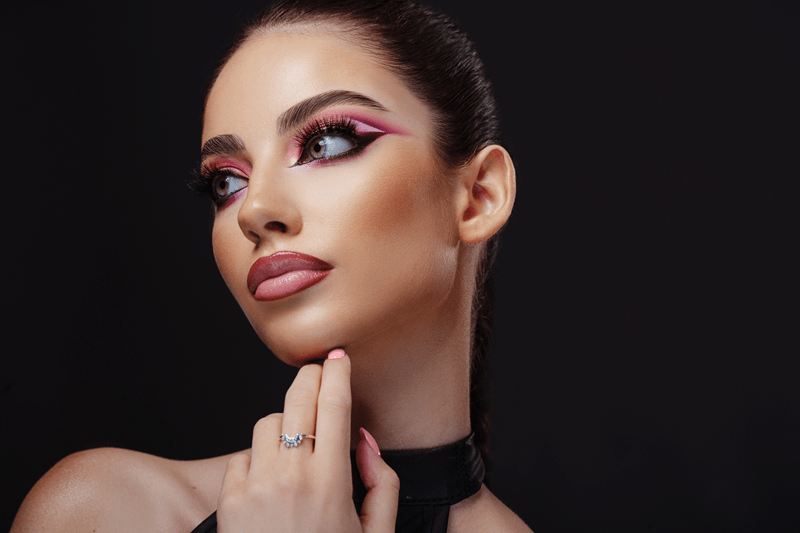
A lot of beauty enthusiasts aspire to craft the flawless smoky eye; however, it usually seems difficult. The fact of the matter is that a smoke effect can be effortless, provided you do it step by step and blend it nicely. Use a medium color for the crease, a darker one for the outer corner, and extend it a bit on the lower lash line. For a tidy result, keep the lashes closest to the darkest color.
A traditional smoked effect is created out of black or dark brown, but the current forms of the look can be done just as well with navy, plum, bronze, or olive. A gentle shimmer in the middle of the lid brings the illusion of volume. Between the steps, blending several times will give you a flawless result.
Not everyone has the same eye shape, and some styles require changes. People with hooded lids usually have a hard time, as their crease is not visible, and when the eyes are open, the shadow disappears. The answer is to put the shade in the crease just a little bit higher than the natural fold. In this way, the color can be seen even when the eyes are at rest.
Some useful tips for hooded eyes are:
These minor alterations have a great impact and work wonders for opening up hooded eye shapes.
The greatest eyeshadow tips are basically a call for constant practice. The more you play with colors, brushes, and techniques, the more sure of yourself you will be. Implement new forms, discover trends, or combine colors that you usually wouldn't. Moreover, practicing makes you better at symmetry, which is one of the most difficult things when doing eye makeup.
Whether it is soft looks, bold styles, or creative color combinations, all of them become your second nature once you grasp the basics. And do not forget that mistakes belong to the learning process. Makeup is not rigid; you can always blend more, deepen, or start from scratch.
After you have done your shadow, the finishing touches make your eyes pop even more. A subtle line of eyeliner serves to define the lashes. By curling your lashes, you are opening your eyes, whereas mascara gives length and volume. These little actions connect the whole look and make the hues seem more vibrant.
If you are going to be wearing your makeup for long hours, a setting spray is a nice option, too. It maintains everything in place without drying out the lids.
The method of inventing vibrant eye makeup shouldn't be heavy on your shoulders in any way. Anyone can achieve stunning results with the help of suitable Eyeshadow Tips, blending skills, and a little practice. Fine Primer choices turn the shadow into a lasting one, while clever blending hacks make the changes less visible.
It doesn't matter if you take advantage of Neutral palettes, make a delicate Smoky eye, or change your routine for Hooded lids; basic steps have the power to completely change your makeup style.
The use of a perfect primer is the most important thing, as it works to keep the shadow in place and allows the colors to look brighter and more blended.
Performing a gradual build-up of color, blending your work between layers, and prepping your lids with an even base, such as a primer, will help you avoid patchy areas.
Yes, as they are very blendable, suitable for most skin tones, and they teach you the basics of color placement before you venture into bold shades.
Employ small brushes, slowly put the color, and blend the edges thoroughly in order to prevent harsh lines.
This content was created by AI