

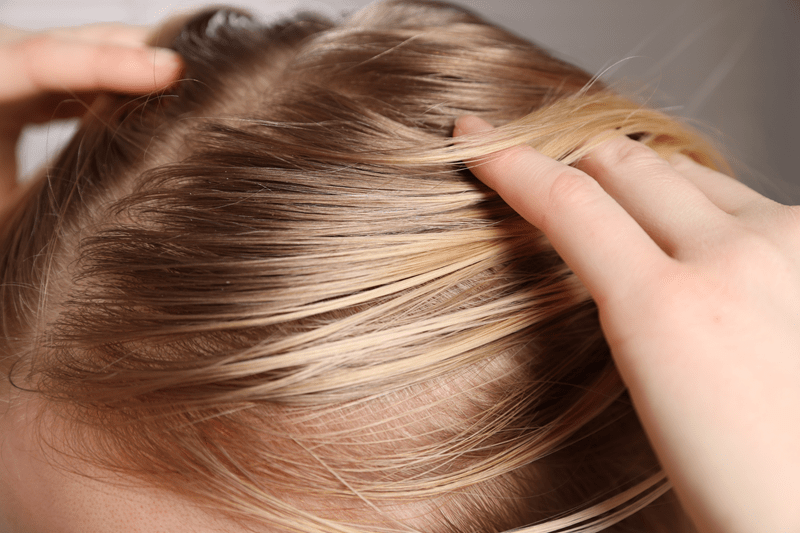
Hair confidence starts at the root. Literally. Most people chase new shampoos, fancy serums, or the next trending trick online and still wonder why their hair looks flat. Dry. Lifeless. But here’s the truth nobody says loud enough: healthy hair begins with a healthy scalp. And caring for it isn’t complicated. It just needs a bit of attention, consistency, and the right habits.
If someone wants fuller, thicker hair, fixing Scalp Health is usually the turning point. Once the scalp feels balanced and nourished, hair starts behaving better. It grows stronger. Looks shinier. And honestly, feels fresher too. So let’s break it down in a simple, real-world way.
Think of the scalp as soil. If the soil dries, becomes irritated, or gets clogged, nothing grows well. It’s the same with hair. People often ignore the scalp until something goes wrong. Flakes appear. Redness shows up. Or the hairline starts thinning and they panic.
When someone builds habits that support good pH balance, proper cleansing, and gentle care, the scalp stays stable. That stability allows follicles to perform at their best. And when follicles thrive, hair growth improves naturally.
The good news? You don’t need ten new products. Just a few thoughtful adjustments.
Healthy scalps love routine. Not a complicated routine, but something steady. Just like skin care, it’s about doing small things regularly instead of big things occasionally.
Below are the easiest habits to adopt. They work for most hair types and don’t take much time.
Nothing beats warm Oil massages when it comes to nourishing the scalp. They’re relaxing, grounding, and surprisingly effective. Massaging increases blood flow, which supports healthy hair growth. It also softens the scalp, helping it release buildup gently.
A simple mix of coconut oil and a bit of castor oil works beautifully. Warm it slightly, apply with fingertips, and massage slowly. Don’t rush. Enjoy the moment. Leave it on for 30 minutes before washing. Done regularly, it can help reduce dryness and improve thickness over time.
And yes, massaging doesn’t just help your scalp. It calms your mind too.
People exfoliate their face but forget their scalp. That’s a mistake. Built-up products, sweat, and dust sit on the scalp and block follicles. Over time, this leads to flakes, irritation, and weaker hair. Using gentle Exfoliating scrubs once every week helps prevent all that.
A simple scrub using brown sugar and aloe gel works well. It lifts debris without scratching the skin. Massage gently, rinse thoroughly, and follow with a mild shampoo. The scalp feels light and refreshed, almost like it can finally breathe again.
And when the scalp breathes better, hair grows better.
Most people don’t think about pH at all, but the scalp does. When the natural pH balance gets disturbed, hair becomes frizzy, oily, or brittle. Sometimes all at once, which honestly feels unfair.
Using mild shampoos, avoiding very hot water, and limiting harsh products can help maintain stability. Apple cider vinegar rinses, when diluted well, also support pH balance without overpowering the scalp. Just don’t overdo it. Once every two weeks is enough.
With the right balance, the scalp stays calmer and less reactive.
Almost everyone has experienced a random itchy scalp moment. And no, scratching aggressively doesn’t help, even though it feels satisfying for a second. Instead, soothing the skin is what brings real Itch relief.
Aloe gel, cooled green tea, or a light chamomile rinse can calm irritation. They hydrate gently and reduce redness. For those dealing with constant itchiness, switching to fragrance-free products makes a huge difference too.
When irritation settles, hair starts to behave better. It’s like everything resets.
This one surprises people, but yes, Microneedling helps with hair growth when done correctly. The tiny needles stimulate the scalp and encourage better nutrient absorption. It sounds intense, but it’s usually painless when using a gentle tool.
Consistency is key here. Slow and steady. Once a week is usually enough. Pairing microneedling with a nourishing serum can support hair density over time. Of course, anyone new to this should start lightly to see how their scalp reacts.
When done safely, microneedling can boost growth and make hair look fuller.
Lifestyle matters more than people think. Stress affects the scalp. So does diet. Hydration. Sleep. Everything links together.
Here are a few habits that help:
Small habits. Big difference. And yes, sometimes a flaky scalp is simply asking for more water and less stress.
People often start routines with enthusiasm and then drop them after a week. The trick to scalp care is to make it easy. A simple routine might look like this:
Weekly:
Bi-weekly:
Daily:
Monthly:
This isn’t complicated. It’s practical. And it fits easily into real life.
Most scalp concerns improve with consistent care, but some need expert support. Severe hair fall, persistent flakes, or sudden bald patches shouldn’t be ignored. Dermatologists can help diagnose deeper issues.
The earlier someone gets guidance, the better the outcome.
Most people don’t connect stress to hair fall, but the scalp feels everything long before the mirror does. When stress builds up, circulation slows, natural oils shift, and follicles become weaker without anyone noticing. It shows up as sudden shedding, random itching, or dryness that refuses to go away even with good products.
Little lifestyle tweaks make a huge difference. Short daily walks, slow breathing before bed, drinking more water than you think you need, and taking breaks from long screen hours all support the scalp’s natural rhythm. Even sleeping properly gives the scalp time to repair overnight. And yes, eating enough protein is a silent hero. Hair is made of keratin, after all, and the scalp needs solid nutrition to produce it well.
Healthy, full, thick hair starts with a scalp that feels nourished and balanced. With simple habits like Oil massages, gentle Exfoliating scrubs, steady pH balance, calming Itch relief, and occasional Microneedling, anyone can improve their scalp condition over time.
You don’t need complicated routines or expensive treatments. Just a little patience, the right steps, and consistency. Take care of your scalp today, and your hair will thank you tomorrow.
Once a week is usually enough. Over exfoliating can irritate the skin.
Not if used mildly. Leaving oil on for too long or using too much may worsen flakes for some people.
Yes, when done gently and consistently. It boosts circulation and nutrient absorption.
This content was created by AI