

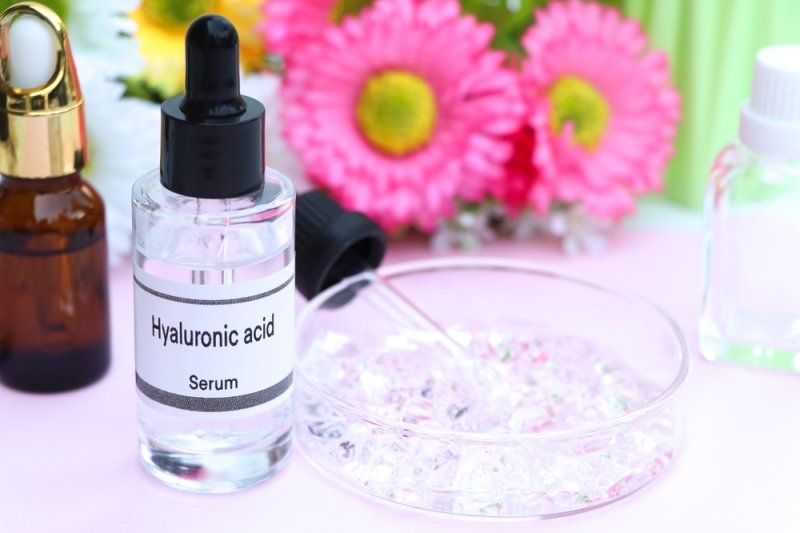
The main benefits of hyaluronic acid come from how it causes your skin to look and feel—it is a major moisture binder. The acid is a natural ingredient found in your skin and is a common component in moisturizers to help hydrate and plump the appearance of your skin.
It could also be good if it is tightly formed, rough, and dry; still, it is so satisfying to know how and when to make use of it for the best result.
Hyaluronic acid is a naturally occurring substance in the body that is also present in the skin. This is the "sponge-like" ingredient that helps draw water into the outermost layers of the skin and also increases the water content of the skin, thus making it soft and slippery.
So, how does hyaluronic acid benefit the skin? It is not for exfoliating or controlling oil, but its primary purpose is helping your skin stay hydrated. Better-moisturized skin will feel smoother if it is rough, and it can also temporarily mask dehydration-induced wrinkles.
It can boost water in the outer layers of the skin. Hyaluronic acid can add water to the outer layers of your skin. That can be helpful if the weather or use of cleansers or other products makes your skin feel tight or dry.
Dehydrated or well-hydrated skin? Well-hydrated skin is often more comfortable and feels softer all over. Hyaluronic acid is not a permanent change to the skin, but hydrated skin will see the benefits of improved appearance and feel.
Those lines may also appear to be more pronounced if you are dehydrated. Hyaluronic acid can temporarily volumize the skin with moisture, plumping up certain fine lines to make them less noticeable.
Being a hydrating ingredient in general, hyaluronic acid can be incorporated into many different skincare routines. It is also used to restore moisture that was lost through the use of various active ingredients.
Hyaluronic acid benefits for the skin include giving hydration and providing a smoother, softer look.
Some useful benefits include:
Hyaluronic acid is not going to replace your whole regimen. You might still need a cleanser, moisturizer, and, of course, the right sunscreen. All of these help with cleansing, moisturizing, and protecting the skin.
It can draw out water and make your skin feel even tighter. If you need a little extra moisture without the weight of a full-on moisturizer, a hydrating mask with hyaluronic acid may be great for you.
But dry skin might require something besides just a humectant. If you seem to be losing moisture very quickly, use a moisturizer after your product with hyaluronic acid. Find a moisturizer that has some barrier-supporting ingredients.
Hyaluronic acid serum benefits are often favored by those looking for a lighter, more precise way to hydrate. It is also a good idea to use a serum under a moisturizer and other skincare items that work well together without the routine being overly heavy.
The findings are mostly connected to skin hydration. The skin can seem more plump and softer, especially if it was dehydrated earlier. It can be more cost-effective to use a small quantity of the product regularly compared to layering on several coats.
If dehydration was a factor in the development of fine lines and wrinkles, then it could improve their appearance. Hydration may plump out a few areas of the skin for a short period of time.
However, hyaluronic acid for wrinkles does not give you a solution for a wrinkle once and for all. These are due to aging, sun exposure, and changes in collagen and elastin levels. Hyaluronic acid enhances the definition of dry, small lines.
If you are looking for more advanced anti-aging care, daily sun protection and other research-backed ingredients could be suitable for your skin.
Understanding how to apply hyaluronic acid serum for skin can prevent you from making errors in your application.
Begin with a mild cleanser. Pat off excess water, and do not scrape or rub the skin dry. Choose cleansers that do not leave your skin feeling overly tight.
Spread a couple of drops of serum on your face once your skin is a little bit damp. There is no need to drench your face or apply multiple layers.
Use moisturizer over the serum. This is beneficial for dry skin, as it helps with nourishment and hydration.
In the daytime, protect your routine with a broad-spectrum sunscreen. Hyaluronic acid offers no protection from solar rays.
Is hyaluronic acid bad for sensitive skin? It is considered to be well tolerated; however, sensitive skin types can have a reaction to any skincare product. Sometimes the irritation is caused by something else, like a preservative or fragrance in the product, rather than the hyaluronic acid.
If you have sensitive skin, try to add only one new product at a time and opt for a simple formula. Discontinue use if you develop a rash, redness, swelling, or burning that persists.
Hyaluronic acid for hydration delivers the best results when used in conjunction with other products that trap moisture in the skin. Use it on damp skin and finish off with your favorite moisturizer.
Do not think that more serum equals more benefits. You might only need a little if used consistently. If you continue to experience severe dryness even when regularly moisturizing, you may also want to explore harsh cleansers, hot water, dry weather, or over-exfoliating.
The most important hyaluronic acid benefits are derived from its role in maintaining moisture levels in the skin. Hyaluronic acid benefits for skin may include giving your skin a more supple feel, a smoother look, and providing a short-term fill for those wrinkled areas where dehydration accentuates lines.
Remember that whether you decide on hyaluronic acid for dry skin, a moisturizer or hydrating serum, or hyaluronic acid for wrinkles, use hyaluronic acid regularly as part of your complete anti-aging skincare program.
Hyaluronic acid is not oil and does not moisturize by coating the skin with grease. It primarily functions by attracting water. The textural aspect of the complete product may be relevant, and individuals with oily skin might prefer a non-greasy, water-based formulation.
Hyaluronic acid can provide the moisture you need after you exfoliate. Exfoliation may also temporarily increase sensitivity in the skin, so avoid trying new active ingredients if your skin becomes sensitive.
Adding moisture may be useful if the peeling is due to dryness or dehydration. However, there may be other reasons for the peeling that might not be easily fixed with moisture, such as irritation or a skin condition. Ongoing or severe peeling should be discussed with a health professional.
Hyaluronic acid will increase the water content of your skin, which will give the appearance of fresh, more plump, hydrated skin. But there are so many reasons for dull skin that a lack of hydration is not always the answer.
For drier, colder weather conditions, if your hyaluronic acid product is moisturizing enough, you can use it for dry or tight skin. The dry, warm air in the room and the cold weather can lead to more water loss; thus, a moisturizer is recommended to layer after the hyaluronic acid.
This content was created by AI